Most violence doesn’t erupt out of nowhere. It builds — a raised voice, a shove, a crowd starting to gather. There’s almost always a window, however brief, where the right words or the right presence can change what happens next. Knowing how to use that window safely is a skill, not an instinct, and it can be learned.
Safety Comes Before Intervention
Before doing anything else, size up the situation. Ask yourself:
- Are weapons visible or likely to be present?
- Is this a domestic or relationship conflict? (These carry unique risks and often call for a different response than a stranger conflict.)
- Is the crowd energy escalating or calming?
- Do I have an exit path?
If the honest answer raises red flags, your safest and most responsible move is to create distance and call for help — not to physically step between people. Intervening safely doesn’t always mean intervening directly.
The 5 D’s of Bystander Intervention
This framework, widely used in violence prevention and bystander training, gives you options beyond “confront” or “ignore”:
- Direct — Speak up or step in yourself, only when you’ve assessed it’s safe to do so. Keep your tone calm and non-confrontational: “Hey, let’s take a breath here” lands very differently than “Back off!”
- Distract — Interrupt the momentum without addressing the conflict head-on. Ask one party for the time, drop something, start an unrelated conversation. Distraction breaks tunnel vision and buys everyone a moment to reset.
- Delegate — Bring in someone with more authority or training: security, a manager, an older relative, law enforcement if needed. You don’t have to be the one who resolves it.
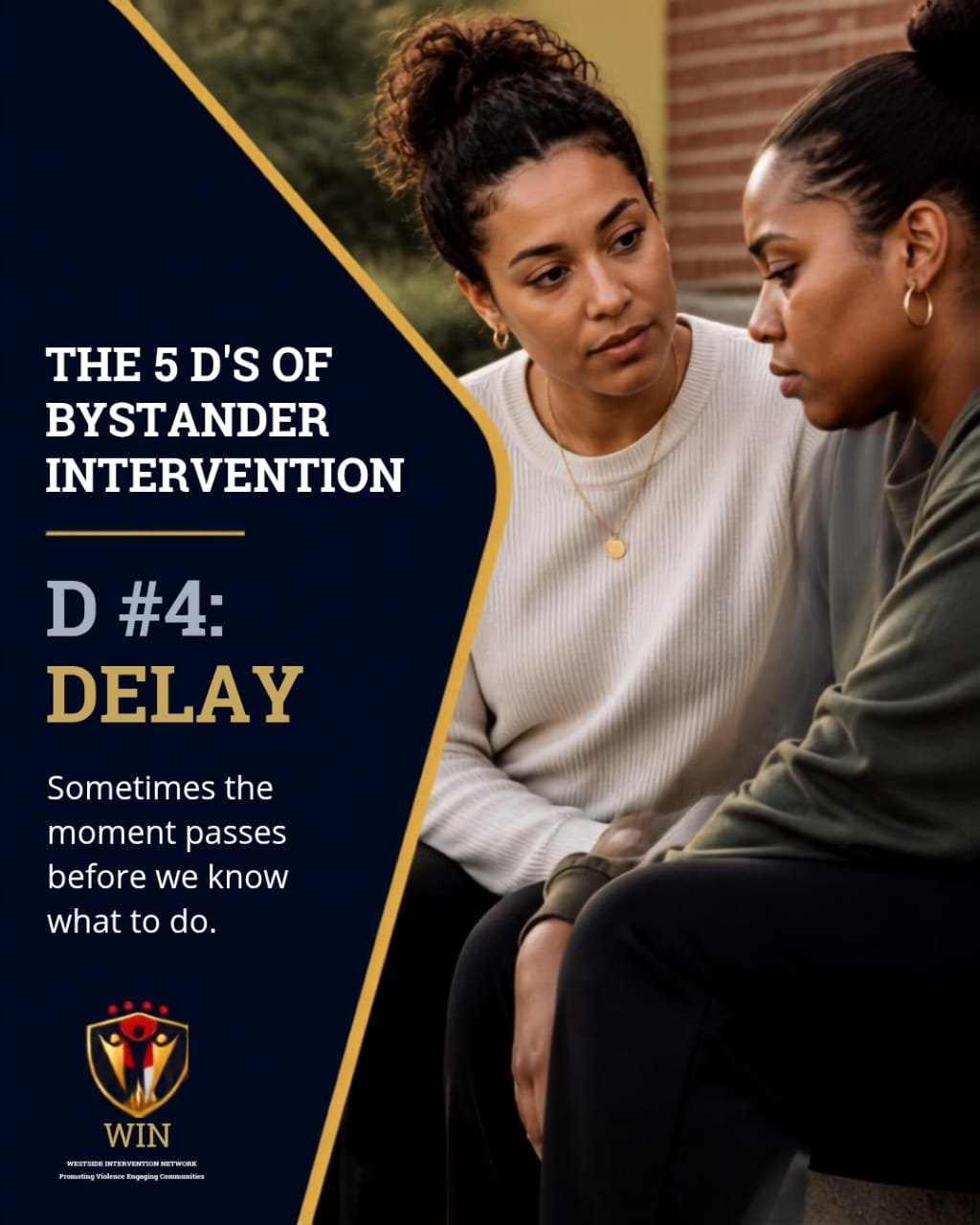
- Delay — If you can’t act in the moment, check in afterward. Ask the person involved if they’re okay, and let them know someone saw what happened. This matters more than people realize.
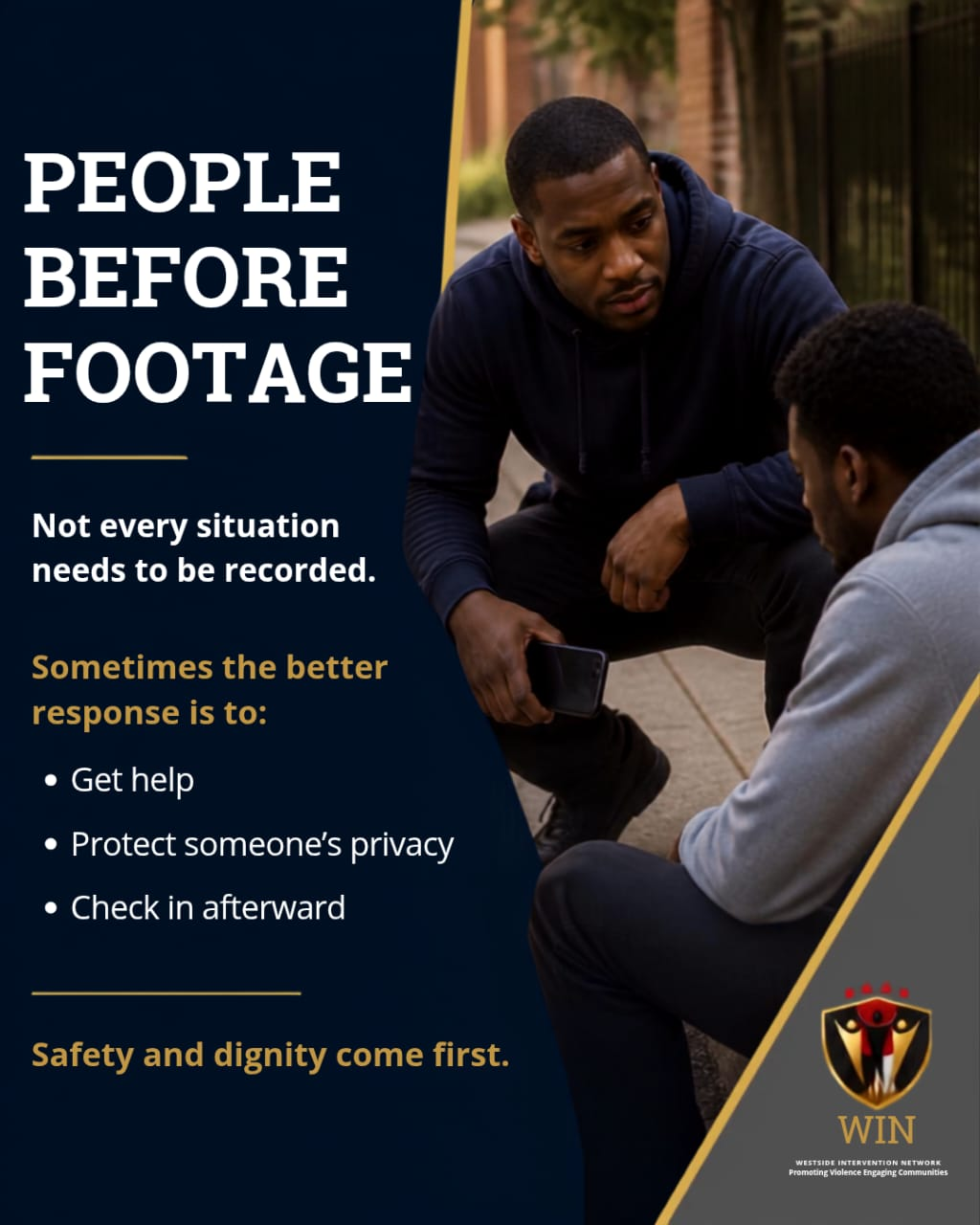
- Document — If it’s safe, record what’s happening. This can support the person involved later, but never let filming replace helping — and never film instead of calling for help if someone is in danger.
What De-escalating Language Actually Sounds Like
When you do decide to engage directly, small choices in language matter:
- Lower your own volume and pace — people tend to mirror the energy around them.
- Use the person’s name if you know it; it re-humanizes the moment.
- Avoid ultimatums or threats — they raise the stakes instead of lowering them.
- Give a face-saving way out: “Let’s step over here and figure this out” works better than “You need to stop right now.”
- Acknowledge feelings without agreeing to the conflict: “I can see you’re upset” doesn’t mean you’re taking sides.
After It’s Over
De-escalation doesn’t end when the tension breaks. Check on the people involved. If this happened in a community or workplace setting, report it through the appropriate channel so patterns can be tracked — a single incident is data, but a pattern is a warning sign. And take care of yourself too; even successful interventions can be stressful to carry.
The Bigger Picture
Bystander intervention isn’t about heroics — it’s about a community of people who know they have options and are willing to use them. The more people trained in these skills, the less any one person has to face a volatile moment alone.
If you or someone you know is in immediate danger, call 911. This post is for general awareness and is not a substitute for formal bystander intervention or crisis-response training.