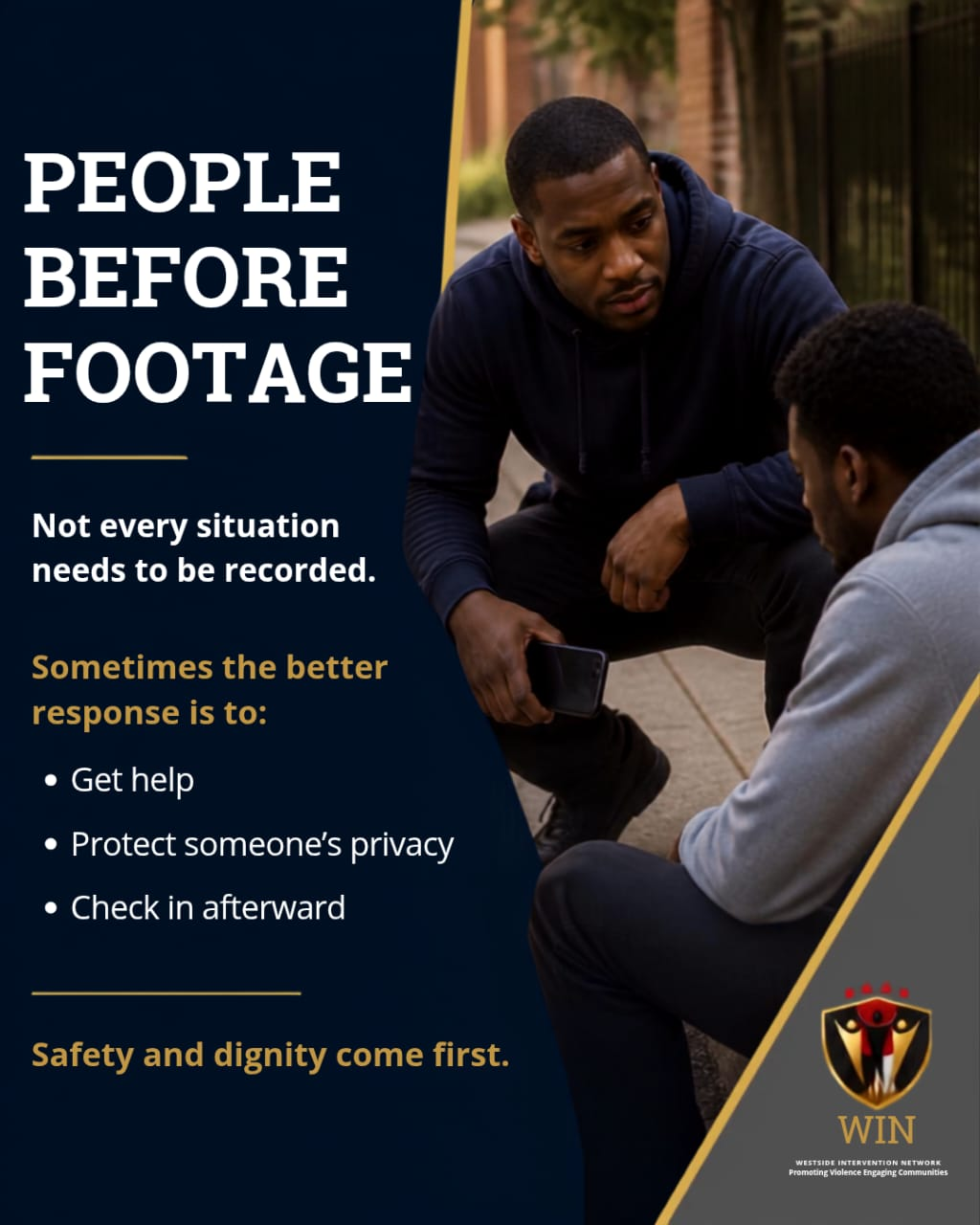
You Can Still Make a Difference—Even If You Couldn’t Act in the Moment
Not every situation allows you to step in immediately.
Sometimes a situation is too dangerous, too intense, or too unpredictable for direct intervention. In those moments, the safest and most helpful choice may be to wait until the situation has calmed down before offering support.
That is the idea behind the fourth D of bystander intervention: DELAY.
What Does “Delay” Mean?
Delay means taking supportive action after an incident has happened, especially when intervening in the moment may not be safe.
Delaying does not mean ignoring what happened. It means recognizing that you may not be able to respond immediately, while still choosing to help when a safer opportunity becomes available.
Delayed intervention may include:
– Checking on someone after an incident.
– Asking whether they are okay.
– Helping someone move to a safer place.
– Connecting them with a trusted person or community resource.
– Offering emotional support.
– Helping them report what happened.
– Following up later to see how they are doing.
Sometimes, support after the moment can be just as meaningful as action taken during it.
Why Is Delay Important?
Bystander intervention is not about being a hero or putting yourself in danger. It is about making a thoughtful decision that reduces harm.
Trying to intervene during an active threat may increase the risk of harm to you or others. Waiting for a safer moment can give you time to:
– Assess what happened.
– Move away from immediate danger.
– Identify who may need support.
– Contact someone who is trained to respond.
– Choose an approach that is safer and more effective.
A delayed response is still a response when it is intentional and supportive.
What Can Delayed Intervention Look Like?
1. Check In With the Person
Once the situation is calmer, you can check on the person who may have been harmed, threatened, or made uncomfortable.
You might say:
«“I noticed what happened earlier. Are you okay?”»
A simple question can help someone feel seen and supported.
2. Offer a Listening Ear
You do not need to have the perfect words or solve the entire situation.
Sometimes, listening without judgment is an important first step.
You can say:
«“You don’t have to deal with this by yourself.”»
Allow the person to decide what they feel comfortable sharing.
3. Help Connect Them to Support
Depending on the situation, you may be able to connect the person with:
– A trusted family member or friend.
– A community responder.
– A counselor or mental health professional.
– A school or workplace support person.
– A local service provider.
– Emergency services, if there is an immediate safety concern.
The goal is not to take control of the person’s experience. It is to help them access support and make informed choices.
4. Follow Up Later
Support does not always have to happen in one conversation.
A message or check-in later can remind someone that they are not alone.
You might say:
«“I wanted to check in and see how you’re doing.”»
That small act of care can create connection and encourage someone to seek additional help if they need it.
When Should You Not Delay?
Delay is not the same as postponing urgent help.
If someone is in immediate danger, seriously injured, or facing an active threat:
– Move to a safe location.
– Contact emergency services.
– Alert someone trained or authorized to respond.
– Avoid placing yourself or others in greater danger.
The purpose of Delay is to wait for a safer opportunity when immediate intervention is not necessary or would create additional risk.
Your Safety Matters Too
You do not have to handle every situation alone.
Effective bystander intervention means understanding your surroundings, knowing your limits, and choosing the safest action available.
Sometimes you step in.
Sometimes you get help.
Sometimes you check in afterward.
All of these choices can contribute to safer communities.
W.I.N. Reminder
You can still make a difference—even if you couldn’t act in the moment.
A thoughtful check-in, a supportive conversation, or a connection to the right resource can help someone feel safer and less alone.
Learn more about bystander intervention, community safety, and violence prevention through Westside Intervention Network (W.I.N.).